 Canada
 United States


Bathroom Vanity Buying Guide: Size, Sink, Style & Materials Explained
Whether you’re remodeling or building new, choosing the right bathroom vanity helps your space stay organized and easy to use.
This guide walks through size, sink types, styles, and materials. You’ll find quick takeaways up front, with more detail if you want to dig deeper.
What’s Inside
- Vanity sizes: Find the right fit for guest baths, powder rooms, and master bathrooms.
- Sink setups: Choose between single or double sinks based on your space and routine.
- Styles: Explore modern and traditional designs, with floating and freestanding options.
- Colors and materials: Pick finishes that work together and last over time.
- FAQs: Get quick answers on installation, care, and layout tips.


What size bathroom vanity should I get?
The best vanity size depends on your layout and how the space is used. Here’s a simple breakdown:
- Small-sized vanities: Great for compact layouts like powder rooms or half baths. Typically 24 to 36 inches wide.
- Medium-sized vanities: Works well in most main bathrooms. Usually 48 to 60 inches wide.
- Large-sized vanities: Fits bigger layouts or shared bathrooms. Often 72 inches or more, with space for double sinks.
Tip: Measure your layout carefully, including the depth. Be sure that drawers and doors can open without hitting anything.
Should I get a single or double sink vanity?
If the bathroom is on the smaller side or mainly used by one person, a single sink is usually the more practical choice. For shared or high-traffic bathrooms, having two sinks can make daily routines easier.
- Single Sink Vanity: Leaves more room on the counter and works well in smaller bathrooms or guest spaces.
- Double Sink Vanity: Better for shared setups with enough room. May need extra plumbing.
Tip: Check your existing plumbing before deciding. Even small changes can lead to higher installation costs.


Which bathroom vanity style is right for me?
You’ll need to decide between a floating or freestanding vanity, then choose a design that fits your space, like modern, mid century, or traditional.
- Floating vanity: Mounted to the wall to make smaller bathrooms feel more spacious
- Freestanding vanity: Stands on legs and adds storage with a classic, standalone look
- Modern style: Flat fronts, simple lines, and a minimalist look
- Mid-century style: Warm wood finishes, soft corners, and tapered legs
- Traditional style: Classic details with raised panels and darker finishes
Tip: Choose a vanity that complements your walls, flooring, and lighting to keep the space visually balanced.
How do I pick the right color, finish, and material?
The right mix of color and surface makes your vanity feel like part of the room, not an afterthought.
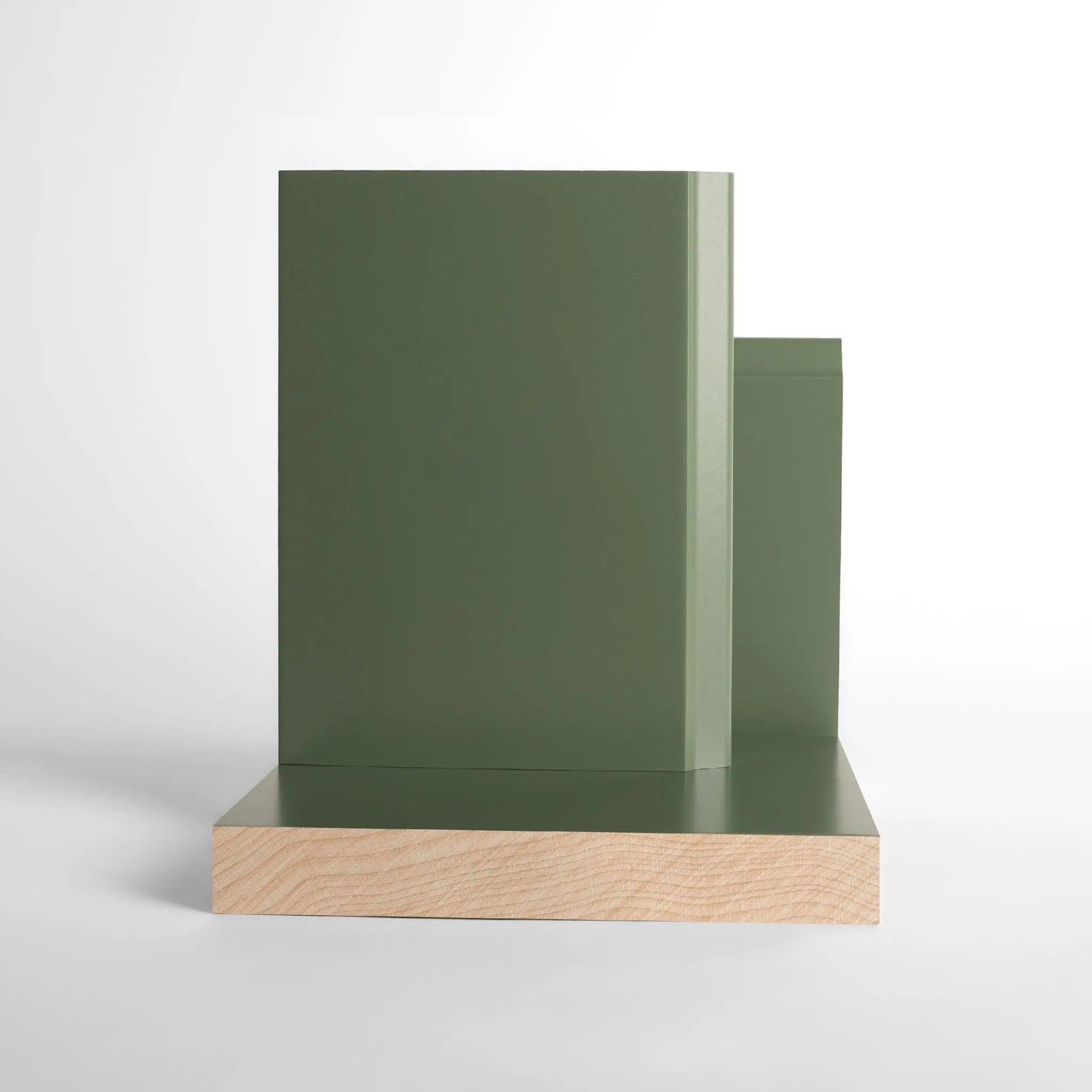
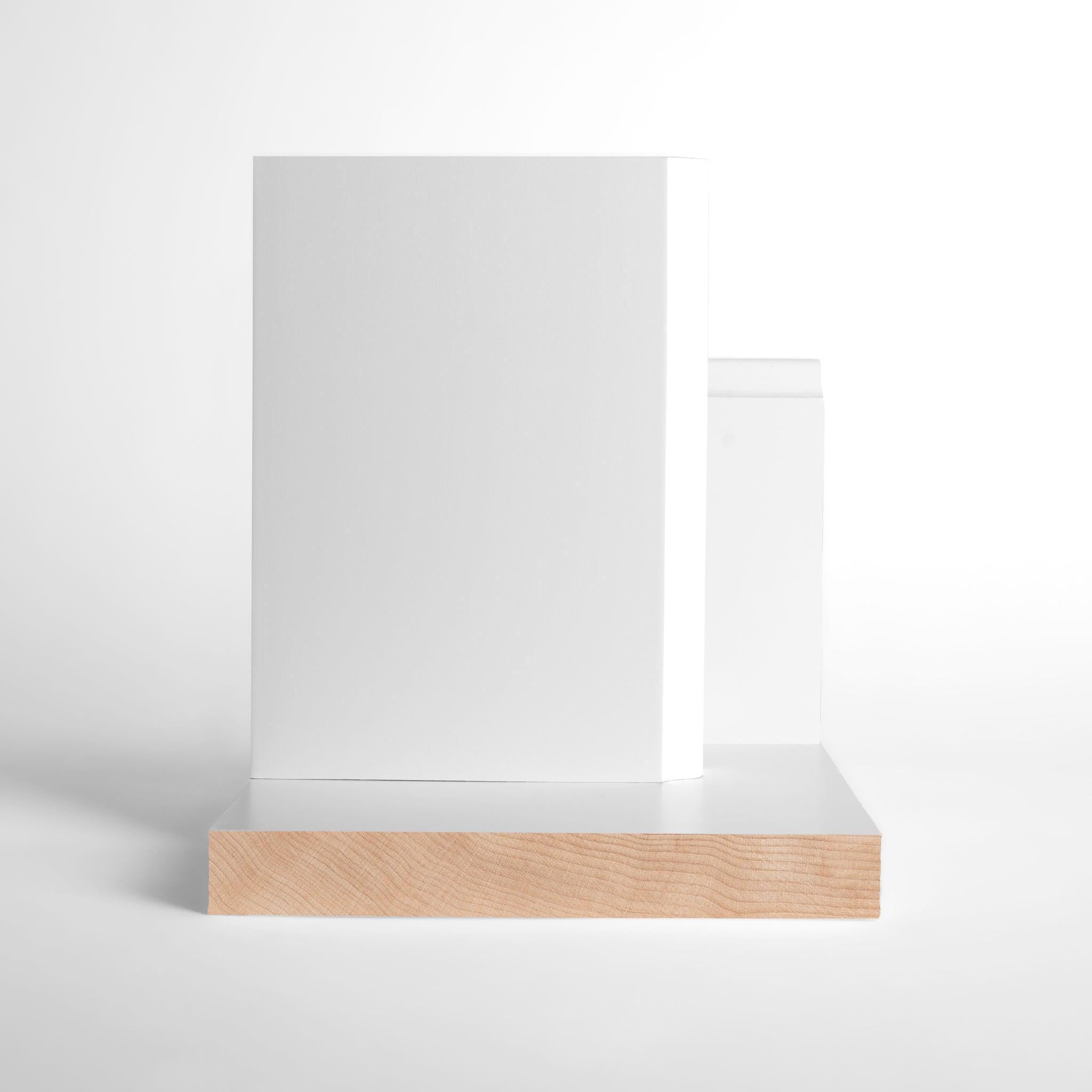
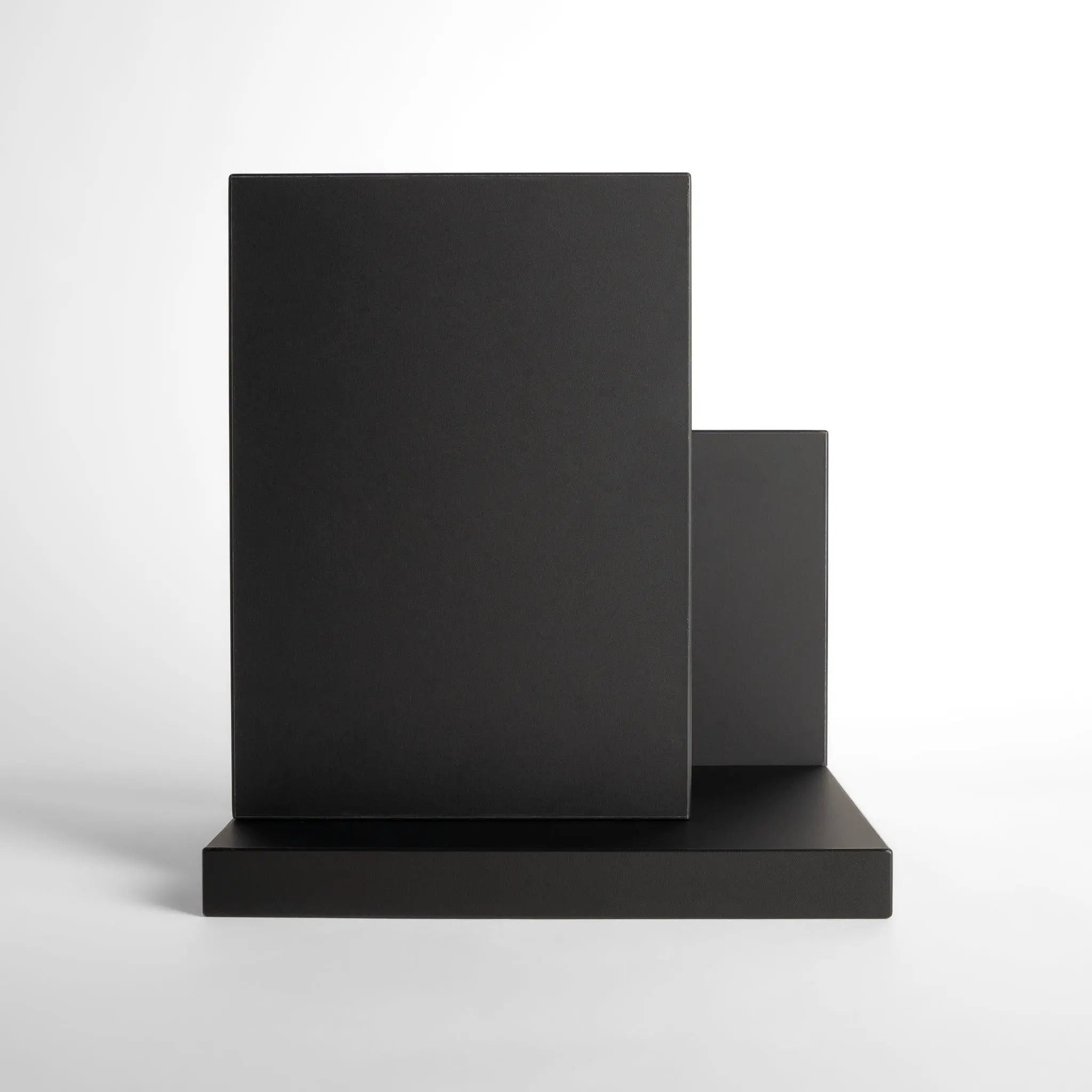
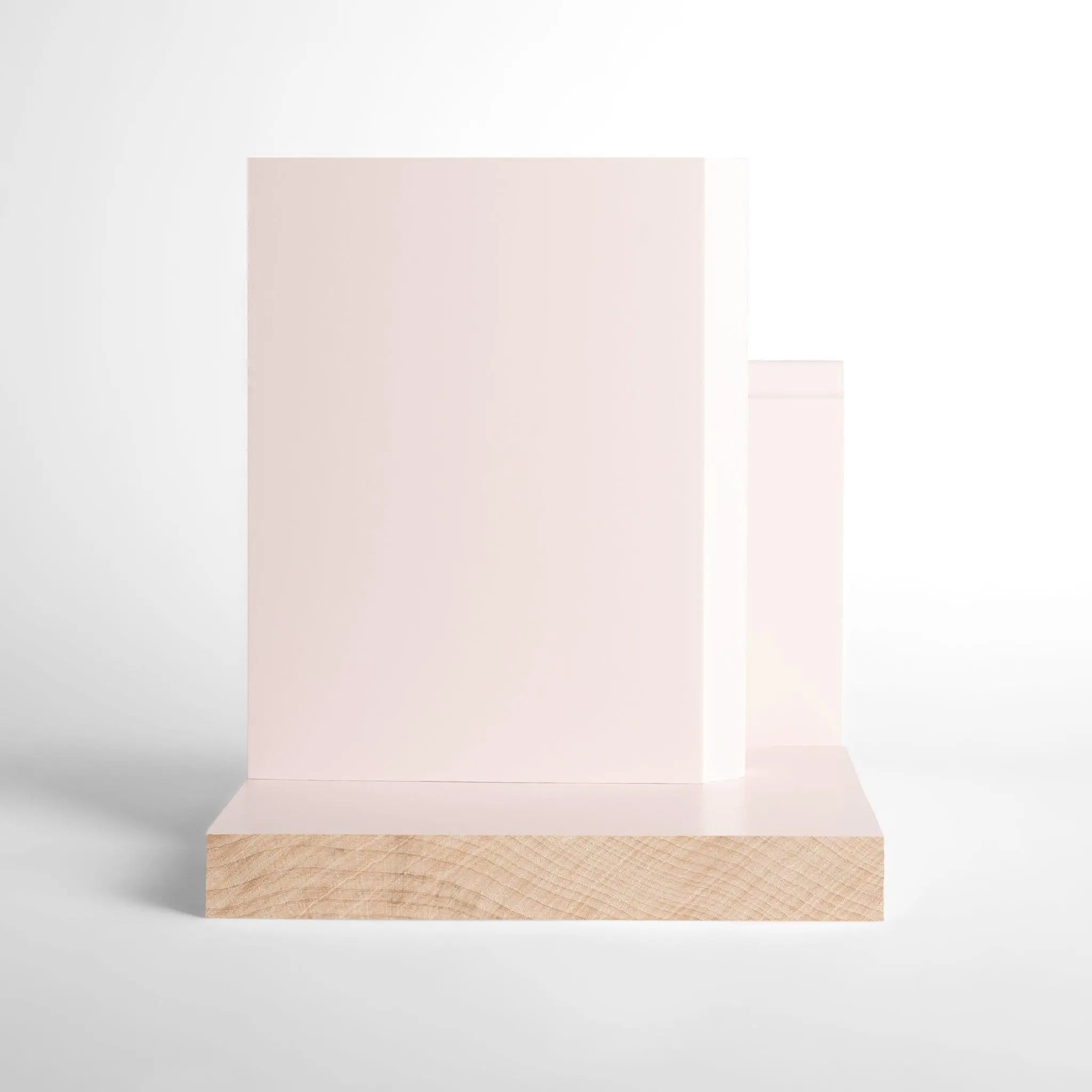
- Vanity Colors: Soft colors like light green, blush, or white help brighten a space. Darker options such as navy or black create contrast and a more dramatic look.
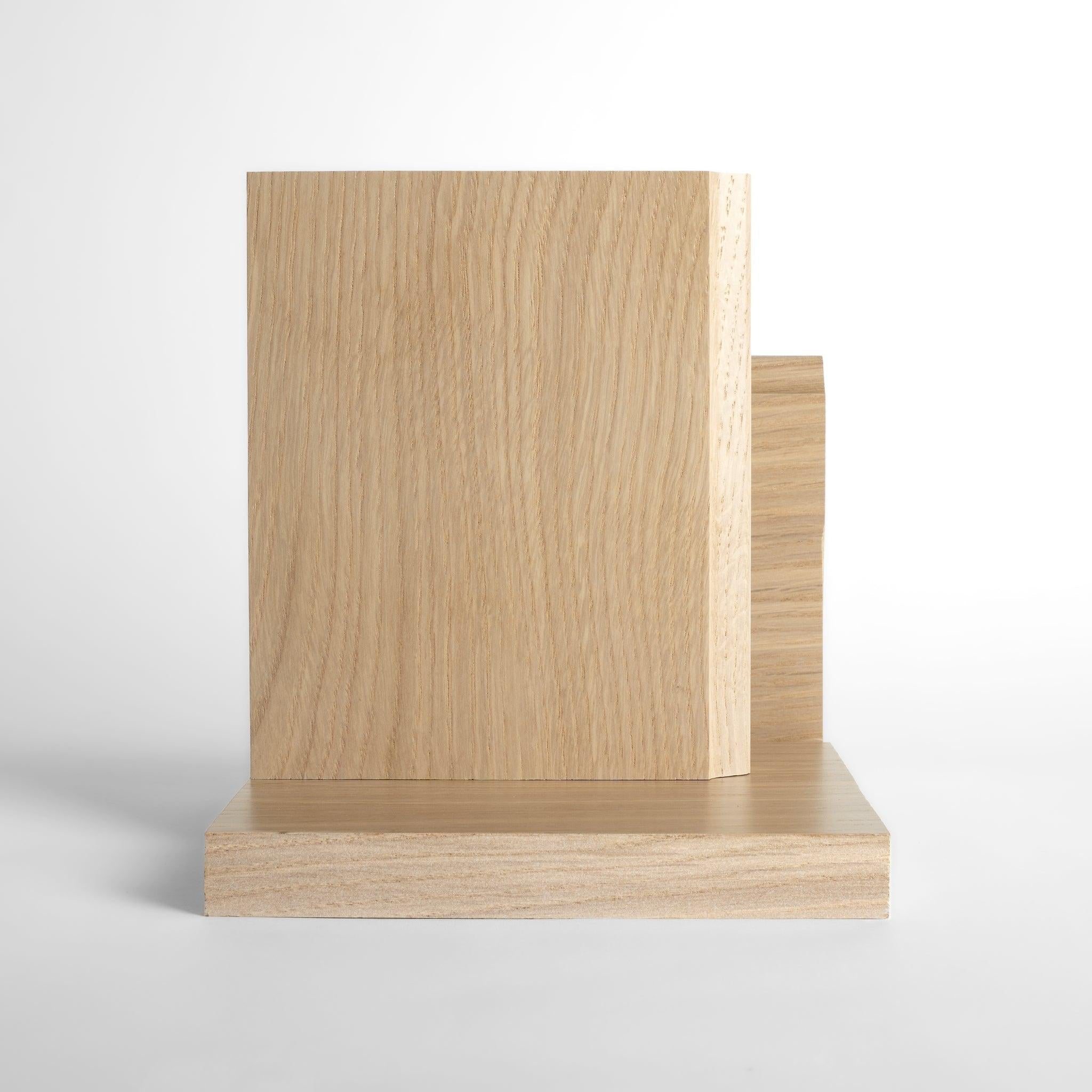
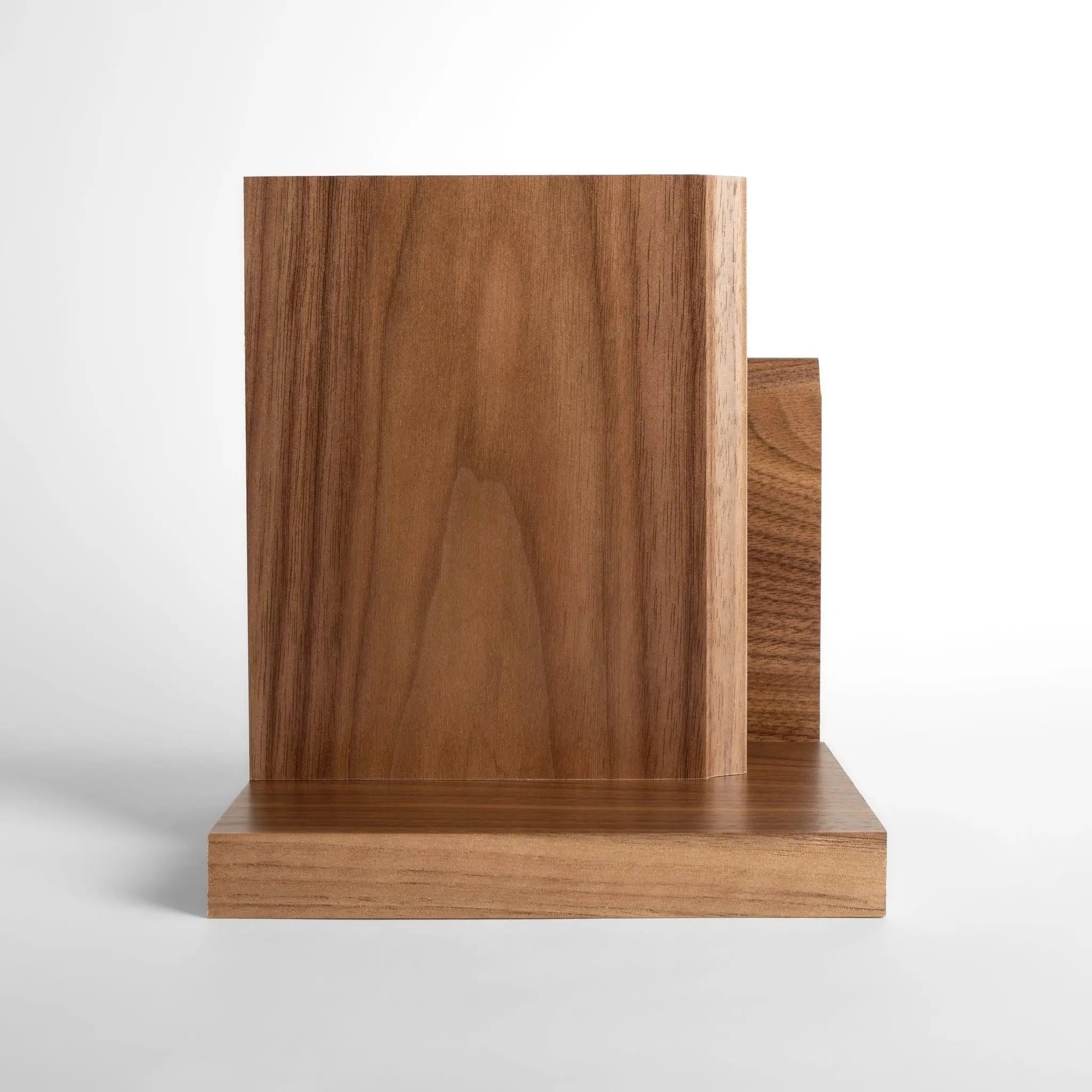
- Wood Finishes: Options like white oak or walnut add natural warmth and visual depth.
- Vanity Materials: Solid wood offers durability with proper care. Quartz is low maintenance and available in a wide range of colors.
Tip: Pick tones and materials that work well together. The goal is balance, not perfect matching.


What to check before you buy
- Plumbing compatibility: Make sure your existing sink and drain placements work with the vanity you’re choosing.
- Vanity Installation: Wall-mounted vanities need studs for support. Floor-mounted ones are typically easier to install.
- Maintenance and care: Use mild cleaners. Reseal wood and natural stone when needed.
The right bathroom vanity balances function and design. Once you’ve figured out the right size, sink setup, style, and finish, and made sure it works with your space and plumbing, you’ll have a bathroom that’s easy to use and feels right for your daily routine. Browse our collection. Shipping is free anywhere in the U.S.
Frequently asked questions
These are common questions from US homeowners planning a bathroom update or remodel.
Measure the width, depth, and height of the space where the vanity will go. Leave room in front so drawers and cabinet doors open fully. Double-check where your plumbing lines are to avoid extra work during installation.
Yes, as long as you have the space, typically 60 inches or more, and are able to adjust your plumbing. You may need a plumber to handle the changes.
Quartz is a top choice for its durability and low maintenance. Granite and marble give a natural look but need sealing. Wood brings warmth, but requires ongoing care to handle moisture.
Yes. Floating vanities must be securely installed into wall studs or proper blocking. It’s best to have a professional handle the install.

